



The Harney County Republican’s district covers 37% of Oregon. Much of it is burning this summer.
By OJP Staff
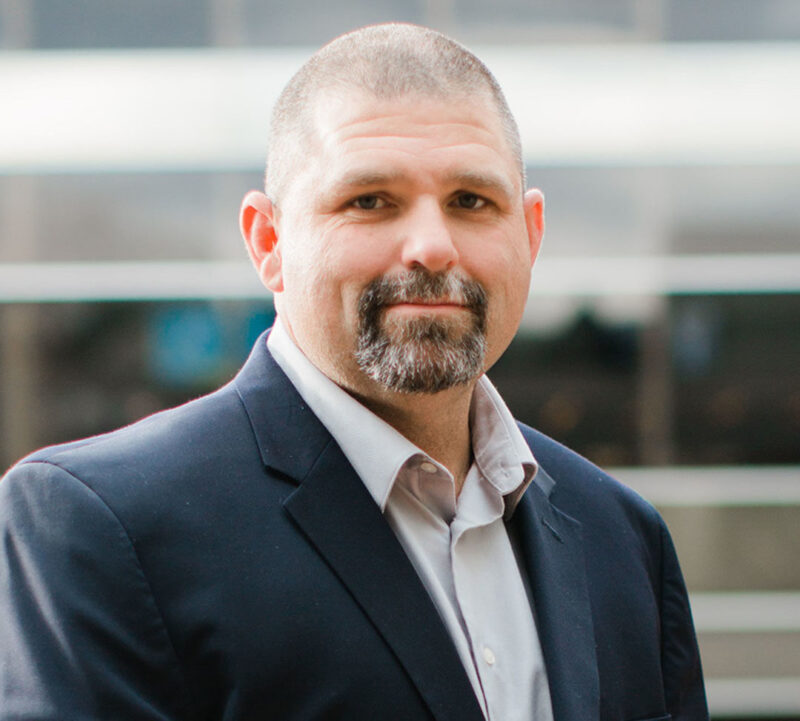
State Rep. Mark Owens (R-Crane) can see the fires from his front porch.
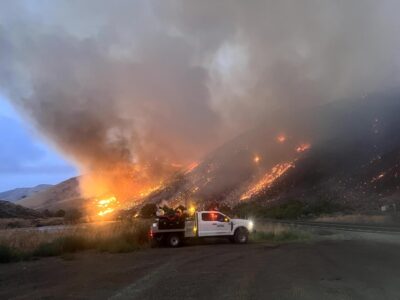
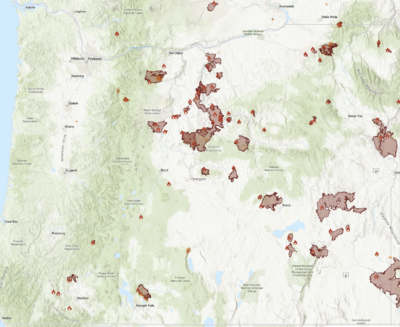
This summer, the Big Grass, Coleman Creek, and Second Flat fires tore across southeast Oregon, all three of them megafires (covering greater than 100,000 acres), in the biggest wildfire summer in recorded state history. On the worst days, the air quality index near Owens’ alfalfa fields in Harney County hits 540. He checks the weather every morning like any farmer. Lately, that means checking smoke.
Owens has represented House District 60 in southeastern Oregon since 2020. His district contains more acres than the state of Indiana: Malheur, Harney, Lake, Baker, and Grant counties, plus part of Deschutes. It is easily the most fire-exposed legislative district in Oregon, if not the nation. It’s also alfalfa and cattle country.
A Republican in a Legislature that Democrats have long controlled, Owens has built a reputation as a thoughtful voice on wildfire policy; a co-chairmanship of the House Committee on Agriculture, Land Use, Natural Resources, and Water, offered him by Democrats, is one measure of that standing. In a wildfire summer that has broken all records with months of peak risk still to come in the state, the Oregon Journalism Project wanted to speak with Owens. The interview has been edited for brevity and clarity.
OJP: Could you tell us a little about yourself?
Mark Owens: I’m a father, a husband, a community member, a farmer, and a politician — though that order might not reflect how much time I spend on each. I represent House District 60, about 37% of the state of Oregon.
What kind of farming do you do?
Our elevation is about 4,200 feet, so our cash crop is alfalfa. We’ve dabbled in other things, but we always go back to alfalfa. Right now, we own, lease or manage 1,200 acres.
What’s going on in your district right now in terms of fires?
We’ve got the Coleman Creek Fire. The Second Flat Fire. The Big Grass Fire, which is now the largest Oregon wildfire ever. Most are burning within containment lines currently. So things are a lot better than they were two weeks ago.
Sometimes people get the mistaken impression that when we talk about wildfire in Oregon, we’re talking about ponderosa pine or Doug fir burning.
Out here, it’s rangeland, mostly on public lands. You’re talking sagebrush steppe to invasive weeds, but it’s mainly rangeland.
When a ponderosa pine or Douglas fir forest burns, the economic value of the forest is lost and won’t return for decades. What about when there’s a rangeland fire?
The intensity of the fire also will determine the consequences. If it is a low-intensity fire, that actually can be very helpful to the range itself. The high-intensity fire is where we get into some problems. Fires take out fences, so you’re going to have to figure out how to reestablish the fences. And you have to reestablish the native seeds in the sagebrush. How do you effectively reseed at that scale? Is it done by an airplane? Is it done by drills? How do you turn that into a proper sagebrush steppe landscape? A lot of it’s going to end up in annual invasive weeds. I was just on a call a couple of hours ago talking about the opportunity and challenges of when a fire like that goes through, that you have a short window in order to make a big direction of where that’ll end up in three to five years.
Despite the fact that more acres are burning in Oregon every year, there is still a lot of opposition to mitigation—the kinds of proactive actions that might prevent fires, or at least reduce the size of the burn. We are talking fire breaks, thinning, preemptive burning.
Some of our friends in the state feel that large, hot megafires are part of the natural cycle. So they will object to those doing work to prevent those.
I don’t agree. I go visit these areas that have been in a high-intensity fire, and I know that we could have prevented it from getting to the size and scale that it did.
You know, because of the desire to protect the sage grouse, we have had to reduce grazing numbers, we’ve had to reduce economic development. We have trouble getting rare earth mineral opportunities. Yet the biggest threat to sage grouse right now is fire. Another big threat to the sage grouse are invasive grasses, which come back in after a fire. The biggest threat to ungulate populations, such as deer, besides predation, is annual invasive grasses and weeds, which come in after fires. So when I look out there, I see that we’re not going to be able to restore this world into a good sagebrush steppe, and that’s going to have multiple levels of harm to my community. And yet there’s an opportunity to keep these fires smaller. That’s why I don’t agree.
I believe helping communities with mitigation and fire suppression should be a core function of state government, and we’re going to have to figure out how to make it a priority for state government. And I don’t think the average Oregonian who lives away from where this is actually occurring understands.
How do you feel the two gubernatorial candidates, Gov. Tina Kotek and state Sen. Christine Drazan (R-Canby), are doing on this issue?
A fire shouldn’t be a partisan issue: Management of fire, mitigation of fire, suppression of fire should not be partisan. I would say that Oregon leadership, all those who are involved, are still in a very reactive posture, and we need to change that. We need to figure out mitigation strategies. We’ve got to get ahead of this.
I don’t really think there are very many folks at the executive level or the legislative level who have figured out how to do that yet. They seem to be more beholden to those who oppose some of the tools that are needed for mitigation. It’s not all going to be logging, not all going to be thinning, not all going to be prescribed burns, but we’re going to have to be bold enough to use all of those tools.