





Republican Candidates for State Senate District 6
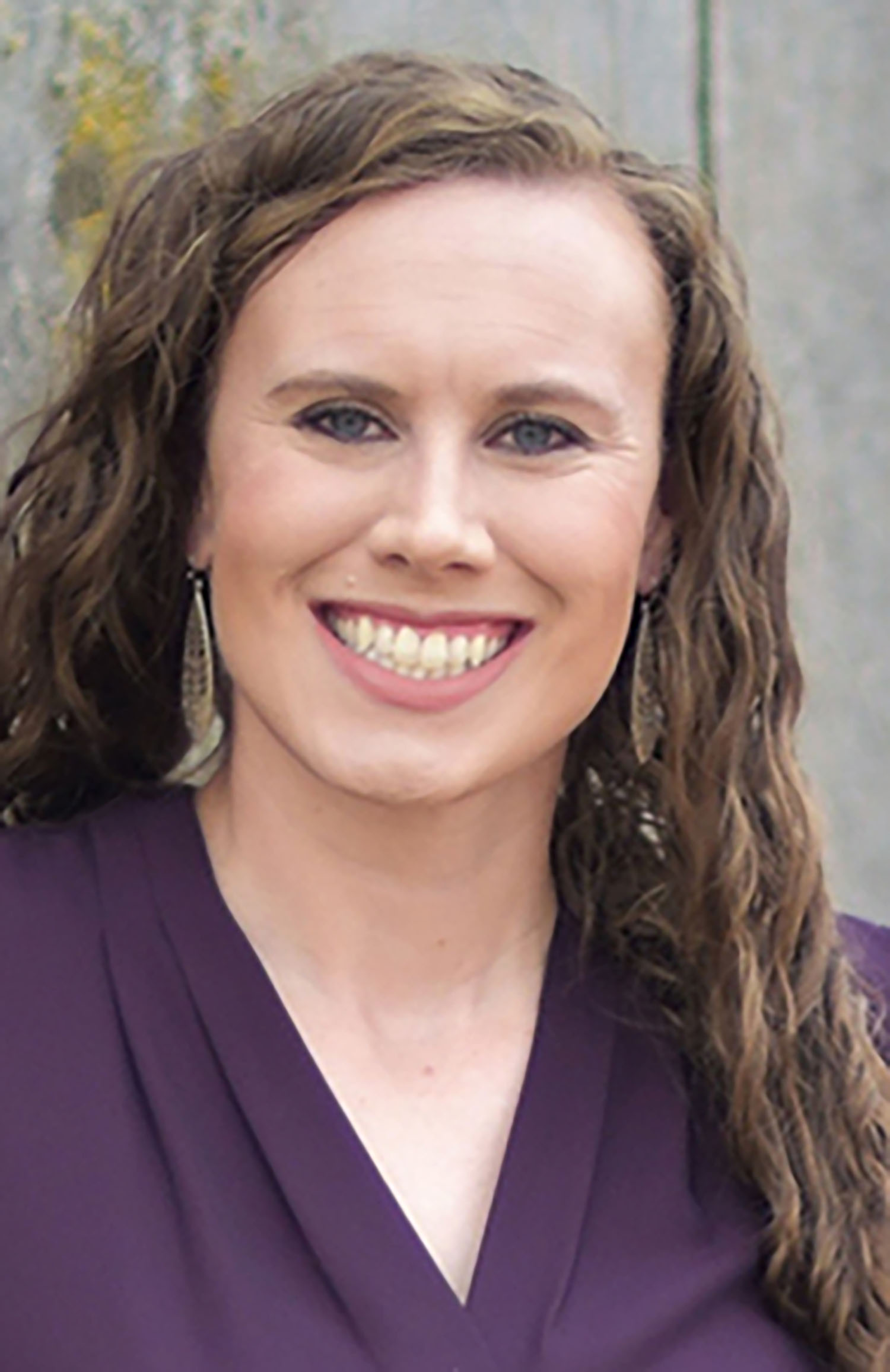
Contact: www.jamicate.com / [email protected]
Family: Parents Ginger and (late) Jim Cate, God-kids Vale (6) and Holt (4)
How long have you resided in the district? All my life.
Education: Oregon State University, Bachelor of Science, Crop and Soil Science, Summa Cum Laude
Professional Background/Work Experience: State Representative and fifth-generation Linn County farmer
Political Experience/Affiliations: Republican State Representative
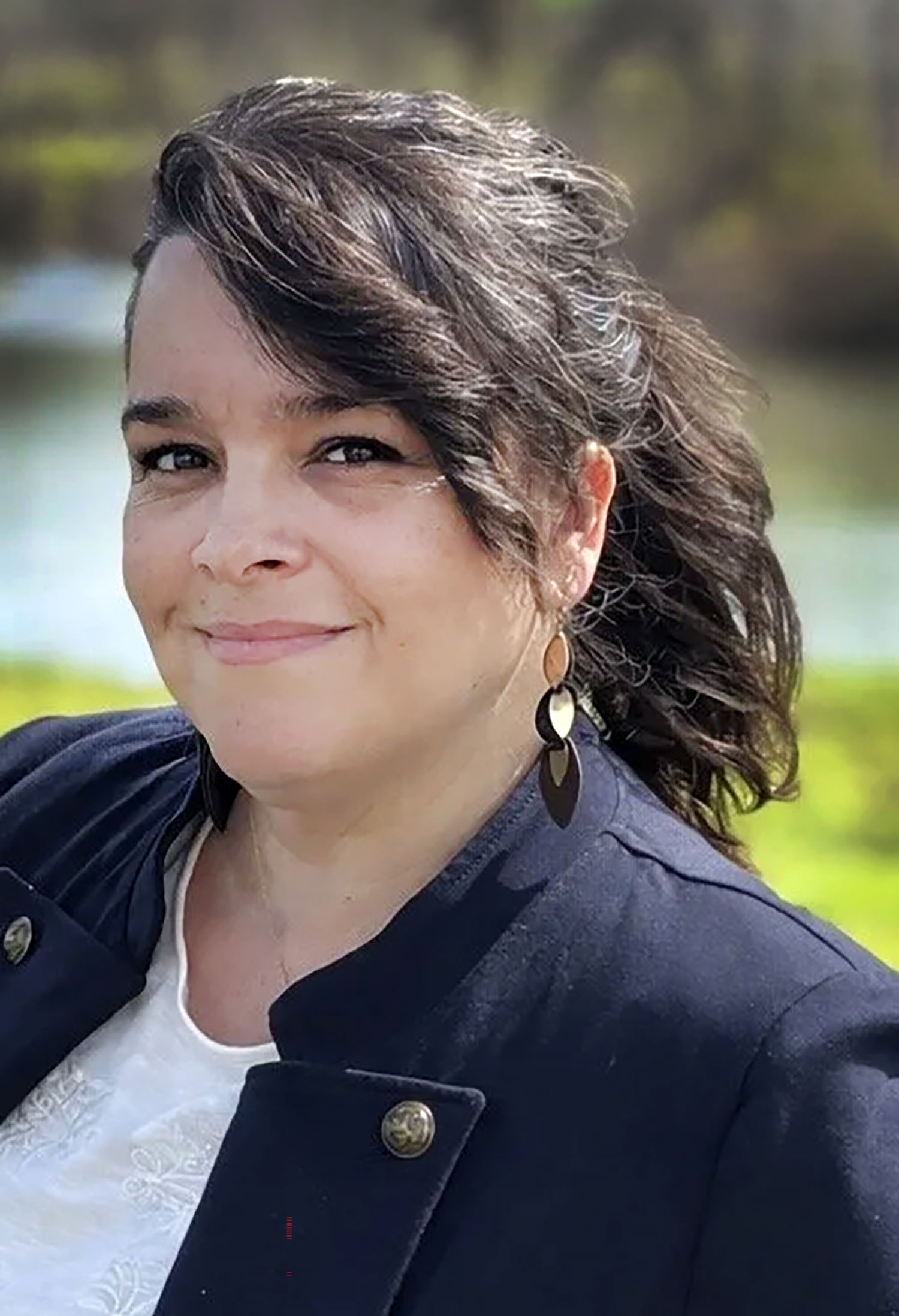
Nicole De Graff, 52, of Marcola
Contact: www.Nicolefororegon.com
Family: Husband, three kids
How long in district? 11 years
Education: Attended Willamette University, University of Oregon
Professional Background/Work Experience: Cattle rancher, real estate, marketing
Political Experience/Affiliations: School board director, Republican
Other Community Involvement/Affiliations: Springfield Education Foundation
Jack Tibbetts, 36, of Cottage Grove
Contact: www.tibbettsfororegon.com
Family: Ali Tibbetts (wife), Casey and Luke Tibbetts (children), Penny and Nick Tibbetts (parents).
How long in district? Five years; owned a working ranch in the district for seven.
Education: College – bachelor’s degree
Professional Background/Work Experience: Farmer and business owner. I have also been employed in the trades (welder), government, nonprofits, and emergency response. Taken together, I believe this gives me the most wide-ranging experience in this race, with significant experience in many sectors. This gives me a unique ability to see what is positive and negative about all of them and a depth of knowledge I will be able to draw upon when making decisions. These experiences will ensure I make common-sense decisions, which I believe is so badly needed in Salem right now.
Political Experience/Affiliations: Republican; Lane County Planning Commissioner. I have prior elected government experience as well that I left, which I believe exemplifies a true willingness to serve people over maintaining power and influence. I served on a city council in Santa Rosa, Calif., when I was 25 years old. But after five years of service, I resigned, because I was becoming more and more conservative with age, and my constituents were predominantly left-leaning. I believe it is our job to represent our constituents, and to do that best, your values need to be in alignment. I think many politicians would have compromised on their personal morals and beliefs to maintain a seat of power. I did not. I stepped back, focused on my family, moved my family to Oregon to be closer to our family and our roots, and I started an ag business so I could raise my children in agriculture, so they could benefit from all of the values that go with it.
Other Community Involvement/Affiliations: Cottage Grove Downtown Events Committee
State Senate District 6 Questions and Answers
-
Why do you want to be our local state senator?
Jami Cate: I first ran for office as a way to fight for people like me, and communities like mine. I was tired of watching the progressive ideology of Portland extremists being forced on rural Oregon, and our freedoms and way of life eroded year after year.
After six years serving in the Oregon House, I’m running for Senate to use the experience I’ve gained to serve even more constituents and communities.
There has been tremendous turnover among Senate Republicans due to Measure 113, making it important for incoming members to have the experience necessary to hit the ground running from Day 1.
Nicole De Graff: I’m running because rural communities like ours are being overlooked while Salem makes decisions that don’t fit how we live.
I’ve served locally, I’ve seen where systems break down, and I’m not afraid to solve problems. We need someone who will show up, push back when needed and focus on results.
Jack Tibbetts: Having been in elected office before, I never thought I would do it again. But I am fed up. I am angry with how our state is being run.
I am disheartened by the fact that we have lost 35,000 jobs in the last 15 months. I am saddened by the fact that the best we have to offer our kids is a public school system ranked 47th in the nation with an 81% graduation rate. I am frustrated by the fact that the solutions that keep rolling out of Salem are more taxes.
I want to be our next state senator because I want to do the work. I want to do a deep dive into our $30 billion budget and discern what we need and what we don’t. I want to identify savings for the programs we want, and cut the programs we don’t need as much anymore.
If I do a really good job, I want to cut taxes so employers and people stop fleeing the state for Idaho and Texas, taking the jobs with them that my kids might have one day filled had they not left.
I also want to be responsive to my constituents and be their voice. I am not running to win myself a Senate office. I am running to diligently and actively serve in their Senate office.
I am still young. I still have a lot of energy left in me, and I want to use that energy to fight for the people of the Sixth Senate District.
-
What are the biggest issues facing Oregon and, if elected, what do you intend to do about them? (Note: If some or all of the ones that are at the top of your list are listed more specifically below, feel free to just name them and then move on to others down your “list.”)
Tibbetts: First, stop new taxes. Instead, sort through the state’s $30 billion budget to identify savings for pressing needs. We need to cut what we don’t need and use that money to fund what we do need.
People are struggling right now, and taxes add to their financial burden. We also need to audit our state agencies, which should be a bipartisan issue.
Second, convert the state’s existing $780 million flash-in-the-pan affordable housing development subsidies into a revolving silent second down-payment assistance program, which will turn renters into homeowners, building equity and generational wealth for their families, as opposed to subsidizing NGO affordable housing developers.
Overtime, this money will be paid back to the taxpayer, which can be used to cut taxes, or fund other needs (such as road maintenance) and prevent new taxes.
Third, develop policies with business leaders that attract and retain employers in the state to prevent more jobs from being lost in this state. One thing we can do administratively – right away – is to make changes to the state’s Habitat Conservation Plan to allow for more streamlined and efficient timber harvesting, which has historically funded our schools and roads, but has declined significantly over the past 40 years.
(See more on this at Tibbettsfororegon.com under the “issues” tab.)
Cate: Oregon isn’t just Portland, and yet time and again, the Majority tries to force one-size-fits-all policies on rural Oregon that treat us like we’re all Portland. Over-regulation, over-taxation, and erosions of our freedoms because the Majority finds them offensive. So many of these policies are rooted in the ignorance that life is different in rural Oregon than it is in Portland, but so many others aim at giving more and more control to an ever-ballooning government.
I have worked hard to build relationships with colleagues across the aisle in order to share the real impacts of these policies on our rural communities, industries, and way of life.
The cost of living in an echo chamber is governance that fails to work for the people, and it is easy to ignore voices that don’t come from real people you have relationships with who are willing to be a voice of dissent.
De Graff: Cost of living, housing, education outcomes and accountability.
Connect spending to outcomes; supporting local jobs- agriculture, timber, small business these are not just urban priorities. Making sure state agencies work for people not the other way around
-
Oregon’s legislature faced a strained state budget in its short session earlier this year. What do you think of how legislators handled that issue this year and what do you think is the best and/or most workable solution(s) for Oregon’s revenue situation? How should the state be spending/not spending its money?
De Graff: The legislature avoided tough decisions and kept growing government without clear results. The CAT tax is still costing business, while enrollment and outcomes are down.
Disconnecting us from HR1 does little to help businesses thrive. I will push to audit programs and stop funding what isn’t working. Let’s start by being honest about long-term costs, instead of short-term fixes.
Cate: Oregon doesn’t have a revenue problem, it has a spending problem. The state budget has nearly doubled in a decade, and Oregonians have had enough. When you’re budgeting for your family, you know the difference between a “want” and a “need,” but leadership in Salem sees every idealistic policy idea as a need, and Oregonians as “petulant children” if we don’t want to pay more in taxes to afford it all.
Our budgeting process shouldn’t assume a continued service level, but should work on a zero-balance budgeting system – forcing agencies to justify every dollar they hope to receive.
We should also fully fund critical services first, rather than paying more for illegals’ health care than we do in state troopers – ensuring Oregon has the same number of troopers on the road as we did when our state population was half this size.
Tibbetts: I think we should be appalled by the legislature’s handling of the short session. Namely, how Democrats rushed the gas tax and played games with the issue to avoid giving the voters the time to repeal it.
It was poor-form politics. Our state’s budget is $30 billion. That is a lot of money. We need to spend a session just sifting through that budget, agency by agency, line by line, and cutting things we may not want or need as much to fund the pressing things we do.
We also need to conduct robust auditing of our state agencies, using outside auditors from another state to help us identify waste, abuse, and savings.
It has been decades since Oregon has done that, and it’s about time!
-
Oregon state officials have taken a hard line against many of the Trump Administration’s policies through lawsuits and other means on issues such as immigration, elections, environmental policies, tariffs, Department of Education data and more. In this space you obviously will not be able to detail each of these and others, but how do you feel about these tactics and, if you support or oppose any particular ones, why?
Cate: The Majority wasted an incredible amount of time during this year’s Short Session introducing more than a dozen bills that do little beyond serve as an opportunity to virtue signal against President Trump for hours on the House and Senate floors.
Legislators even admitted that some of those bills were only in anticipation of possible retaliation from the federal government – not in response to anything that was actually taking place.
We have very real problems facing Oregonians, caused by decades of one-party rule. Treating President Trump as a scapegoat is just a poor attempt to deflect from those failures and the misguided solutions being pushed that throwing more money at the problems will finally solve them.
Oregon should stop wasting resources fighting President Trump, and start taking some pages out of his playbook.
De Graff: I’ll support action when it clearly protects Oregonians, but I won’t support spending taxpayer money on lawsuits just to make a statement.
Results matter more than headlines and ideology. Being one of the only states to not opt in to the $1,700 education tax credit for families to choose their education choice is a mistake.
Tibbetts: I oppose these tactics completely. Decoupling from federal taxes is foolish and costs taxpayers more. Not cooperating with ICE means we don’t have a seat at the table, nor the ability to have local law enforcement communicate with the public.
I think we need to remember our elected president is our leader, our commander-in-chief, whether we voted for him or not. Similarly, our laws are our laws, whether we like them or not.
When the people are no longer in alignment with the president or the laws, we have a process for changing them. But to obstruct, or to pick what laws to follow, while disobeying others, like we are doing now on immigration, sets a dangerous precedent.
-
What do you think Oregon’s priorities should be in funding transportation? Why?
Tibbetts: Roads. We are a state of automobiles. Mass transit never pencils and always requires robust subsidies. The only place mass transit is justified is in the Portland Metro area and Eugene/Springfield.
Cate: Oregon’s roadways are an incredibly valuable resource, and they need to be maintained to not only allow for ease of travel for residents and goods, but also to maximize the lifespan of the infrastructure we’ve invested in.
Our bridges are on the brink of disaster – and current budgeting only allows for a 1,000-year replacement schedule. Yet ODOT themselves produced a list of over $800 million in expenses that don’t align with their core mission.
It’s time we refocus on the basics, maintain the roadways we have, get real leadership that doesn’t make billion-dollar budgeting miscalculations, and cut the fat. We don’t need more dollars in this agency. We need to stop spending on things like DEI programs and maintaining empty office buildings.
De Graff: Maintenance. Somehow, it became political theater where voter suppression is occurring, and that’s not good. Rural communities depend on reliable roads for work, school and emergency services.
Pet urban projects shouldn’t come at the expense of basic infrastructure in the rest of the state nor disproportionally affect rural communities.
-
By almost every metric, Oregon’s education system does not rank well compared to the rest of the nation. To what do you attribute this decline and how can it be fixed?
De Graff: As a school board member I see issues and areas of improvement but no more so than watching layers of bureaucracy and years of inaction not bring results.
Focus on reading, math and career readiness. Require teacher prep programs to mandate science of reading. Give schools flexibility but require results and require science of reading and provide resources across the state the way Mississippi did.
We are top-10 in spending and not top-10 for results. Make sure funding actually reaches classrooms
Tibbetts: Our education system is ranked 47th in the nation with a shameful 81% graduation rate.
We spend twice as much per student than our neighboring state of Idaho. We need to get back to the universal basics of teaching reading, writing, arithmetic, physical education, and career-technical education. We need to stop introducing party politics into the classroom, because we have.
This notion that we have tampons in boys’ bathrooms is real. To some, this may be trivial and inconsequential but, to many parents, it is egregious, and it is representative of how off-the-rails policymaking around education has become.
I believe policies like this are why we are seeing a large number of parents pull their children out of public school, opting instead for private school, homeschool, or online learning. This results in a significant funding loss for public schools, causing them to lay off teachers and seek additional taxes from the taxpayer to be sustained at baseline functions.
It puts us in a doom cycle to continually sustain a financially failing system. Parental choice in where they send their kids to school is also something this state needs to allow, because it will show policymakers and parents how the most in-demand schools are operating, providing failing schools with examples of success.
Competition is good, and our schools are perhaps the most uncompetitive systems in Oregon.
Cate: People are quick to blame the elimination of any real graduation standards, but the truth is, Oregon’s education system was already broken and failing too many of our students before the pandemic.
If you listen to Gov. Kotek, we just need to spend more per student, but while our school funding formula short-changes most of our rural schools, we still spend more per pupil than most schools in the nation – but rank near dead last for most of our elementary level proficiencies.
We need to strip back all the extra requirements we’ve put on schools, allow them to focus their teaching time on core subjects, get politics out of the classroom, and restore order in the classrooms by allowing teachers to remove disruptive students.
This isn’t a problem we can spend our way out of.
-
Housing availability/affordability and homelessness are another issue that few would likely argue are not a concern. What solutions do you propose, at least generally (since we don’t have pages and pages of space here) to address these problems?
Cate: While the state has mandated a lot of policies that aim to promote more housing development at the cost of local control, the truth is the communities that need housing the worst are the ones that still drag their heels to issue permits to allow any housing to be built whatsoever.
Combined with the environmental activists fighting against any community which actually constructs housing – making it take decades to expand urban growth boundaries and causing available land to be uneconomical to build on, it’s no surprise we’re in a housing crisis!
But most of our homeless aren’t living on the streets because they lack affordable housing. They’re here because we let drugs get rampant, and we spend more than most any state providing freebies and services. But it isn’t compassion to just let them die of overdoses in our streets, and erode the safety of our communities.
DeGraff: Cut layered regulations that delay building, especially in rural areas. Why open up urban growth boundaries for housing if the legislature passes requirements that are not in line with reality? If the permitting process takes more time than the actual build, maybe there is a problem.
Support local solutions, not one-size-fits-all mandates. Portland-level systems in small towns like Sweet Home are not the answer. Invest in treatment beds and accountability alongside shelter.
Tibbetts: As I stated above, I think we need to use the existing $780 million in the state’s budget for rental housing construction to be used for helping people become homeowners in the form of a silent second loan program that repays the taxpayer, as opposed to developer subsidies.
This also helps people build equity and generational wealth.
On homelessness, we need to repeal Measure 110, which legalized drugs, and give cities back the power to enforce camping bans. We also need to do away with low-barrier housing and shelter.
I say this, not because I am callous, but because, as someone who once worked as the executive director of St. Vincent de Paul, I know all too well that behind every person in taxpayer-funded housing or shelter who is not taking steps to get off drugs, get a job, and be productive, are thousands of people behind him, literally left out in the cold, waiting for that same opportunity.
The compassionate thing to do would be to make sure those ready for the hand up are provided the opportunity, not left out in the cold because we are continually giving handouts, and that is what Oregon’s low-barrier policy is doing.
-
Many opinions have been offered to explain the success of the gas tax referendum effort. How would you explain what happened and what, if anything, do you think it means for Oregon politics in the near future?
Tibbetts: The explanation is simple: After the inflationary period we just went through, people are cash-strapped, and they don’t want, nor can they afford, more taxes.
I was a signature gatherer for that effort, and I had Republicans, Independents, and Democrats alike coming up to sign the petition.
That should be a clear message to Gov. Kotek and legislative Democrats that people have had enough, and they expect their legislators to sharpen their pencils and live within the $30 billion budget we have.
If elected, I will use the power of the office to continue leading, or supporting, referendums on taxes the Democrats keep passing, so that the people can rightfully decide.
Cate: Oregonians were already hurting financially, so it was no surprise that people were angry about another cash-grab attempt by our Legislature. We have historically been very successful at challenging new taxes with referendums, and overturning them on our ballot, but the gas tax resonated even more because of the utter insanity leading up to it – a billion-dollar budgeting error by ODOT, then a push for the largest tax increase in Oregon history, members being retaliated on in Salem for not supporting it, and finally a special session to shove through a smaller tax when it had been such a disaster in long session.
Oregonians made their voice known that they opposed this, and the Majority’s failure to listen drove people out en masse to sign petitions.
Every time Oregonians rise up because the Majority fail to listen, is a step closer to the Majority losing that status.
DeGraff: It showed voters are frustrated with rising costs and don’t trust how money is being spent. Government priorities are not in alignment with taxpayer expectations.
-
It’s no secret that Oregon’s legislature is strongly weighed toward one party. Legislators in the minority – Republicans – have complained that their colleagues representing the supermajority across the aisle often ignore and strong-arm them. How would you describe the situation you see in the Capitol and, if elected, how would you proceed in the role you find yourself, especially in regard to working with the opposition?
De Graff: It is ideologically driven. I will work with colleagues on practical solutions.
I will push back when rural communities are ignored or legislation is short-sighted. I will focus on outcomes, not party politics.
Tibbetts: As a Republican, I am going into this job eyes wide open about what little I can accomplish inside the building – and any Republican who says otherwise is full of it.
However, where I believe I can make a difference is outside the building. I want to use the influence and access of the office to put measures on the ballot to bring decision making directly to the voters.
Cate: “Ignoring” and “strong-arming” are apt descriptions, but the biggest thing I see at play among the Majority is the lack of freedom for their members to honor the will of their districts.
Leadership has incredible tools to force members to toe the line on unpopular policy or literally be out of a job. “Floor Managers” will be sent to pressure any key vote that may be wavering, and only “swing” seats are protected from having to take “bad” votes, making it harder to hold the Majority accountable at the ballot box for their failed policies.
It’s a challenging environment to work in, but it all comes down to cultivating relationships – especially with members across the political aisle. That is what allows you to advance policy where you can, and generate enough doubt to have a chance to kill bad policy ideas.
-
Why should voters check the box next to your name on the ballot? What sets you apart from other candidates in this race in your ability to serve this district?
Cate: I’m the only candidate in this race who has actually done the job of legislating, meaning I’m the only one who can work effectively for our citizens from Day 1. There is a steep learning curve with this job, and experience matters in getting results for our communities.
My voting record has also consistently ranked me as one of the most conservative members in the Legislature – meaning you can trust that my commitment to our conservative values isn’t just empty lip service, but the type of representation you can truly count on.
De Graff: I am thoughtful and engaged. I’m the only candidate here actively governing in this space right now. What I see is a system that’s not working and students are paying the price. We need stability, accountability and a focus on what actually improves outcomes. A legislator who shows up is the bare minimum and right now there is a lack of consistency there.
Tibbetts: If people want an accessible, hard-working, values-driven conservative, then I am the best choice.
My political journey was different, but evolved. In my youth, I was a Democrat, but many life experiences have shaped me into the most conservative person in this race. I would argue that two of the best Republican leaders this country has ever seen are Donald Trump and Ronald Reagan – both of whom were Democrats before they became Republicans.
There’s something about going through that change that helps you clearly see the value of conservative principles.
Well, if elected, I promise to fight like Trump and do so with the decorum of Reagan. If that appeals to people, I hope they will give me the opportunity to prove it by working hard and fighting for them.
